
English| EUR
Suggested for you
More currencies
Choose a language
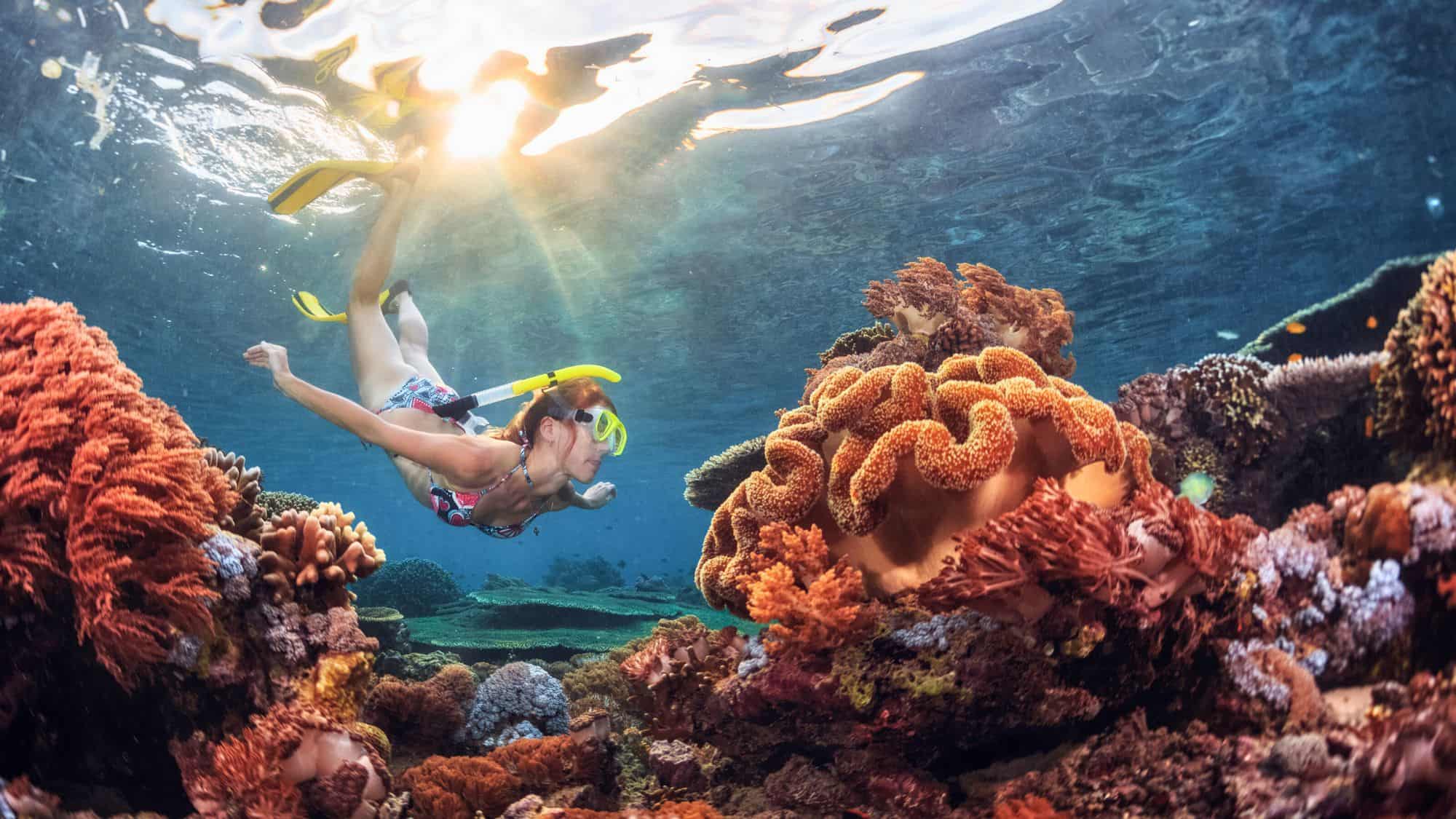
Malaysia's marine parks span hundreds of kilometers of coral shelf, from the Perhentian Islands to Sipadan, each managed under a unified conservation-fee system administered by the Department of Fisheries. Understanding the snorkeling in malaysia price structure means separating mandatory conservation charges from discretionary costs like gear rental and boat transfers. This guide breaks down every fee category, the islands where charges apply, and the budget range for a single-day or multi-day snorkeling visit.
Quick answer
Foreign adult visitors pay a mandatory 30 MYR conservation charge per entry to gazetted marine parks across Malaysia, administered by the Department of Fisheries. This fee grants access to protected waters for the day and supports reef monitoring, mooring buoy maintenance and patrol operations. Gear rental, boat transfers and guide fees are separate costs charged by operators, typically ranging from 40 to 120 MYR depending on the island and package inclusions.
Malaysia operates thirty-eight gazetted marine parks along its eastern and western coastlines, each subject to a standardized conservation levy collected at park entry points or island registration counters. The 30 MYR charge applies once per calendar day, meaning a visitor arriving at Pulau Redang in the morning and returning the following day pays twice. Islands outside the marine park system—such as private resort islands in Sabah or ungazetted reefs off Langkawi—set their own access terms, but the majority of Malaysia's coral-dense snorkeling sites fall under Department of Fisheries jurisdiction. Beyond the conservation charge, the snorkeling in malaysia price depends on logistical choices. Gear rental from beach operators averages 15 to 30 MYR for a mask, snorkel and fins set for the day. Boat charters to offshore sites range from 80 MYR per person for shared group trips to 400 MYR for private half-day excursions, with fuel surcharges sometimes applied during monsoon-affected months when sea conditions require longer routes. Guided reef tours with marine biologists or certified dive centers command a premium, typically 150 to 250 MYR per session, and include briefings on reef etiquette and species identification. Island-specific costs also shape budgets. Perhentian Islands and Redang levy the conservation fee at jetty counters upon arrival, while Tioman collects it at resort reception desks for guests staying overnight. Day-trippers to Payar Island Marine Park off Langkawi pay the fee as part of bundled tour packages sold on the mainland, which often include transfers, lunch and snorkeling equipment for 200 to 350 MYR total. Sipadan, Malaysia's only UNESCO-recognized marine park, operates under a daily visitor cap and requires advance dive-center bookings; snorkeling-only permits are issued on a limited basis and cost 40 MYR above the standard conservation charge. The best value comes from multi-day stays on islands where the conservation fee is paid once and reef access remains open throughout the visit window. Operators on the Perhentians and Kapas offer unlimited shore-entry snorkeling from house reefs within a five-minute swim, eliminating boat costs. Early morning departures align with the Department of Fisheries' recommended arrival window of 08:00 to 11:00, when visibility peaks and thermoclines stabilize, maximizing return on the entry investment. Budgeting for Malaysia snorkeling costs means accounting for the fixed conservation levy, variable operator fees, and the island logistics that separate a 100 MYR day trip from a 600 MYR guided expedition.
“The 30 MYR conservation charge applies once per calendar day, meaning a visitor arriving at an island in the morning and returning the following day pays twice.”
The best arrival window is 08:00–11:00, as early morning offers the calmest seas and clearest water visibility. Planning your visit around seasonal monsoons is essential for safe marine park conditions.
Dry season, 27-32°C
The west coast remains accessible during these months with stable sea conditions.
Dry season, 28-33°C
This period offers optimal visibility for snorkeling in the South China Sea.
Monsoon season, 25-29°C
Strong winds and heavy rain often cause park closures during the northeast monsoon.
—
Early arrival ensures calm waters and allows you to avoid the midday heat and afternoon swells.
Verdict: The optimal time for snorkeling is between March and October on the East Coast, arriving at the 08:00–11:00 window to ensure the clearest visibility.
Marine parks in Malaysia operate on a uniform daily schedule to ensure consistent access for visitors. These hours apply across various locations managed by the Department of Fisheries.
Marine park visits require specific documentation and gear checks beyond standard beach trips.
Everything you need to know about snorkeling in malaysia price
The required conservation charge for foreign adult visitors is 30 MYR per entry. This fee supports the preservation of local marine ecosystems and is a mandatory component of your visit. Visitors should be aware that this specific snorkeling in Malaysia price applies to entry and not to external private tour costs.
The entrance fee is distinct from other potential travel expenses such as boat charters, gear hire, or island transfer services. You should budget separately for private snorkel tours and equipment if these are not provided by your accommodation. Understanding these distinctions helps in planning a realistic budget for your marine excursion.
No, the conservation fee does not include mask, snorkel, or fin rental. Most local operators or resorts provide equipment for an additional daily rate. Check with your tour provider to see if these tools are bundled into your private excursion package.
The best arrival window is between 08:00 and 11:00 to experience the calmest seas and highest water visibility. Arriving early helps ensure you have a peaceful experience before the midday sun and peak boat traffic arrive. Consistent attendance during these morning hours is recommended for optimal conditions.
Yes, the 30 MYR fee is a mandated conservation charge for foreign visitors. This contribution directly supports the Department of Fisheries in maintaining the integrity of protected coral reefs and underwater habitats. Please ensure you have this amount ready upon arrival at designated marine park entrances.
Children are welcome to explore the reefs, though they must always be supervised by a guardian. Ensure they are equipped with appropriate life jackets and that snorkeling conditions are calm. It is advisable to consult with local guides regarding water safety and suitable shallow areas for younger swimmers.
All marine parks operate daily from 08:00 to 17:00. This schedule is consistent throughout the week, including weekends and public holidays. Planning your arrival within these hours ensures you have full access to designated swimming and observation zones.
Snorkeling in Borneo, Malaysia
Read more GuideSnorkeling in Penang, Malaysia
Read more GuideBest Snorkeling Spots in Malaysia
Read more GuideSnorkeling in Sabah, Malaysia
Read more Tickets & toursSnorkeling Tours in Malaysia
Read more GuideSnorkeling Near Singapore
Read more GuideSnorkeling in Langkawi, Malaysia
Read more Tickets & toursMalaysia Snorkeling Packages
Read more GuideBest Time for Snorkeling in Malaysia
Read more