
English| EUR
Suggested for you
More currencies
Choose a language
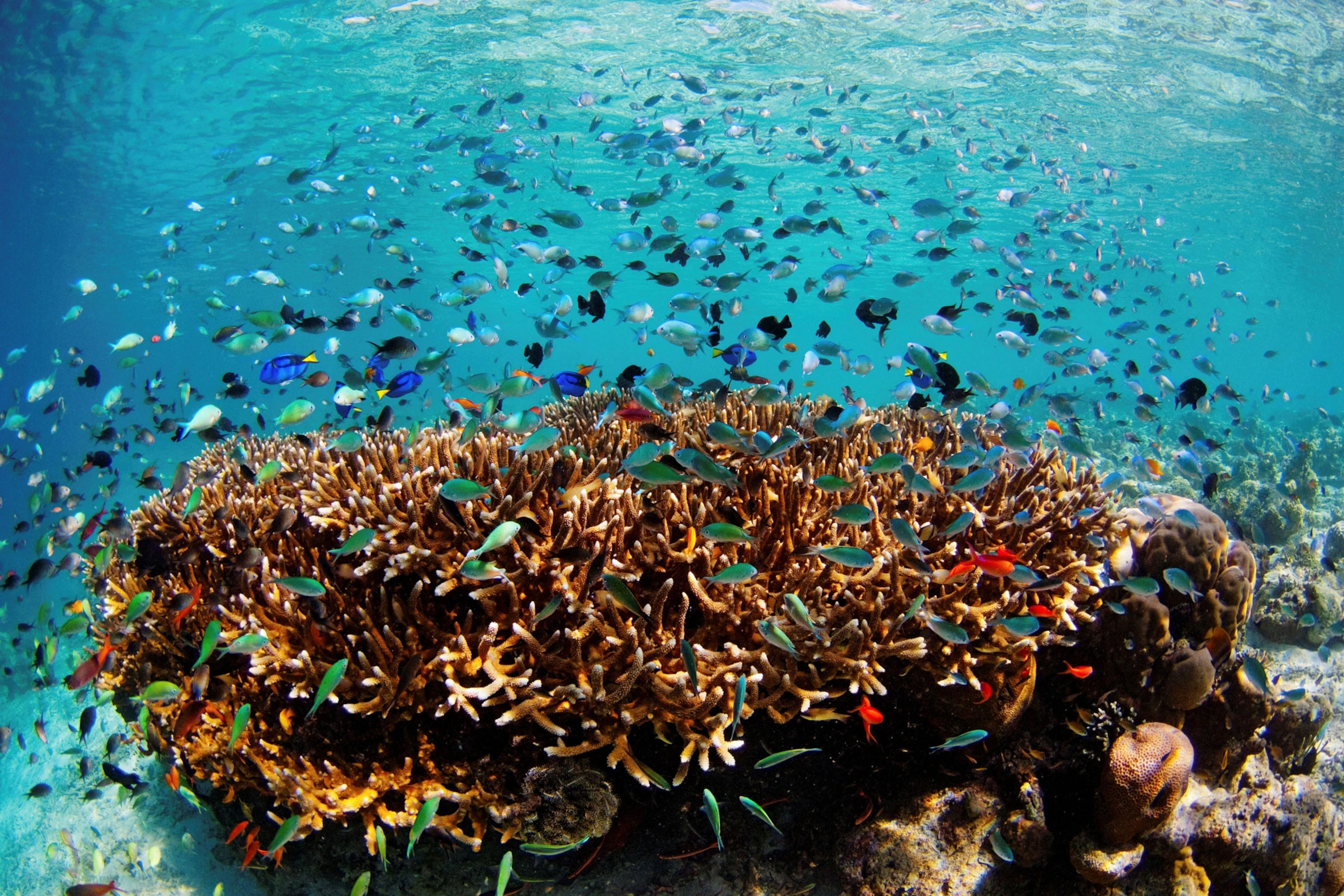
Malaysia offers some of Southeast Asia's most accessible coral ecosystems, from shallow reef flats in the South China Sea to wall drop-offs in the Celebes Sea. This guide identifies the clearest waters, the richest marine biodiversity, and the seasonal windows that separate calm visibility from monsoon churn.
Quick answer
The best snorkeling in Malaysia concentrates in three zones: Perhentian Islands for shallow coral gardens and sea turtle encounters, Sipadan off Sabah for pelagic species and vertical walls, and Redang Marine Park for protected reef systems with 20-meter visibility during dry months. March through October delivers calm conditions on the east coast; November through February shifts ideal windows to western Langkawi and Payar Island. Most marine parks charge a 25 MYR conservation fee per person per day.
Malaysia's 4,675 kilometers of coastline split into two monsoon regimes, and that division determines where coral thrives and when visibility peaks. The South China Sea's eastern islands—Perhentian, Redang, Tioman—close or turn turbid during the northeast monsoon from November through February, while the Andaman Sea's western sites remain diveable year-round with slightly reduced clarity during the southwest monsoon's brief July-August swell. Perhentian Islands anchor Malaysia's snorkeling reputation with house reef access directly from beach resorts. Turtle Beach and Shark Point lie in three to eight meters of water, sheltering green and hawksbill turtles that graze on seagrass beds visible from the surface. Blacktip reef sharks patrol the shallows at dawn. The islands enforce a no-fishing zone within one nautical mile, sustaining healthy hard coral cover that rivals sites requiring boat transfers. Ferries from Kuala Besut run daily during the March-October season, and most operators include snorkel gear in accommodation packages. Sipadan Island off Sabah's east coast occupies a different ecological tier. The island rises from a 600-meter oceanic drop-off, creating a wall dive accessible to snorkelers who stay near the surface while pelagic species—barracuda, jacks, occasional hammerheads—circle below. Daily visitor permits cap at 176 per day, allocated to dive resorts on neighboring Mabul and Kapalai; snorkelers typically secure slots as part of multi-day dive packages. The permit system, introduced in 2004 after UNESCO pressure, reversed coral bleaching trends documented in the 1990s. Surface conditions favor mornings before tidal currents strengthen after 11:00. Redang Marine Park combines accessibility with legal protection, prohibiting anchoring and fish feeding within its 287-square-kilometer boundary. Visibility averages 15 to 20 meters from April through September, dropping to 8 meters during transitional months. The marine park authority operates from Jesselton Point Ferry Terminal in Kota Kinabalu, issuing daily conservation passes and enforcing gear inspections to prevent coral contact. Snorkelers targeting the clearest water book trips departing between 08:00 and 09:00, before midday boat traffic stirs sediment on popular sites like Pulau Lima and Pulau Ekor Tebu.
“Malaysia's marine parks enforce a 25 MYR daily conservation fee, funding patrol boats that maintain no-fishing zones critical to reef recovery.”
The best time for snorkeling in Malaysia depends on the monsoon season, which divides the country into two distinct climatic zones. Planning your visit around these seasonal shifts ensures calmer waters and better underwater visibility.
Dry season, 27–32°C
This period offers the clearest water for snorkeling off the east coast islands. Avoid November through February due to heavy monsoon rains.
Tropical, 27–33°C
Snorkeling is possible year-round, though the best conditions occur outside the peak of the rainy season. Afternoon showers are common but usually short-lived.
—
Arriving at the best arrival window of 08:00–09:00 provides the calmest water conditions. Early departures help avoid the peak volume of island-hopping boats.
Verdict: The best time to snorkel is between March and October on the East Coast, or weekday mornings year-round on the West Coast, arriving between 08:00–09:00.
Jesselton Point Ferry Terminal in Kota Kinabalu, Sabah, serves as the primary gateway for reaching the Tunku Abdul Rahman Marine Park and surrounding snorkeling sites. Visitors generally access these locations via scheduled boat transfers departing directly from this terminal.
Travel to Jesselton Point Ferry Terminal, Kota Kinabalu
Depart from Jesselton Point Ferry Terminal to island piers
Drive to Jalan Haji Saman, Kota Kinabalu
Arrive early for calmer waters and fewer crowds before peak island-hopping traffic. We recommend the best arrival window: 08:00–09:00.
Access to the snorkeling sites via the terminal is available daily. Arriving between 08:00 and 09:00 is recommended to secure calmer waters and avoid peak island-hopping traffic.
Pack smartly to protect both your gear and the marine environment you'll be exploring.
Everything you need to know about best snorkeling in malaysia
The best snorkeling in malaysia is often found in protected marine parks where coral reefs are thriving. Popular spots include the Tunku Abdul Rahman Marine Park, accessible via Kota Kinabalu, which offers vibrant marine life. Many travelers seek out these coastal areas for high water clarity and diverse aquatic species. Planning your trip around local monsoon patterns ensures you experience the best snorkeling in malaysia during calm weather. Most marine parks remain open daily, providing consistent access for visitors throughout the year. Please refer to our dedicated section on seasonal timing for more detailed advice on water conditions. Visitors are required to pay a conservation fee of 25 MYR per person per day. This fee supports the maintenance of marine habitats and facilities within the park. You can organize your travel logistics through the main ferry terminal. The address is Jesselton Point Ferry Terminal, Kota Kinabalu, Sabah, Malaysia. This hub serves as the primary gateway for boat transfers to the nearby islands. Many families enjoy snorkeling as a safe, introductory water activity when supervised correctly. Ensure you use appropriate life jackets provided by your tour operator to keep children safe in the water. We recommend confirming equipment availability with your boat provider before departure. Essential items for a snorkeling excursion include biodegradable sunscreen, a rash guard, and a waterproof bag for your belongings. Protecting the coral reefs by not touching or standing on them is a critical rule for all visitors. Please visit our checklist section for a comprehensive guide on equipment and preparation. For the best snorkeling in malaysia experience, arrive between 08:00–09:00. Arriving within this window helps you secure boat spots before the peak island-hopping traffic begins.
Snorkeling in Borneo, Malaysia
Read more GuideSnorkeling in Malaysia Prices
Read more GuideSnorkeling in Penang, Malaysia
Read more GuideSnorkeling in Sabah, Malaysia
Read more Tickets & toursSnorkeling Tours in Malaysia
Read more GuideSnorkeling Near Singapore
Read more GuideSnorkeling in Langkawi, Malaysia
Read more Tickets & toursMalaysia Snorkeling Packages
Read more GuideBest Time for Snorkeling in Malaysia
Read more