
English| EUR
Suggested for you
More currencies
Choose a language
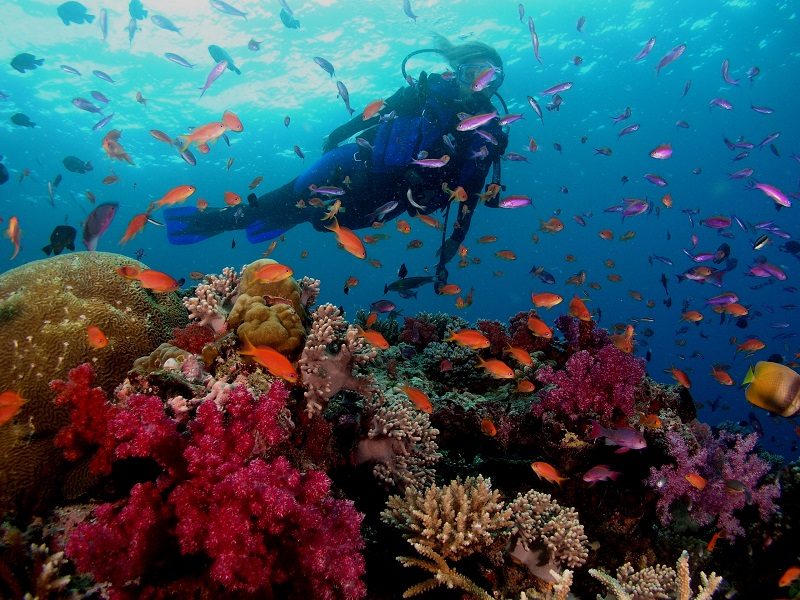
Malaysia's east coast islands offer some of Southeast Asia's clearest shallow-water reefs within reach of Singapore. Tioman, Perhentian, and Rawa lie between two and six hours from the city, each with distinct coral ecosystems and boat charter requirements. This guide maps the logistics and marine conditions for each destination.
Quick answer
The closest Malaysian snorkeling destinations to Singapore are Pulau Rawa and Pulau Sibu in Johor, reachable in under three hours by road and boat via Mersing jetty. Tioman Island offers the most developed infrastructure and lies four hours away, while the Perhentian Islands provide the richest coral biodiversity but require a six-hour journey through Kuala Besut. All sites demand chartered boat access and operate year-round with seasonal visibility shifts between monsoon months and the dry season from March to October.
More than forty gazetted marine parks dot Malaysia's eastern seaboard, yet fewer than ten lie within practical day-trip range of Singapore. The Johor Marine Park cluster near Mersing forms the first tier, with Rawa and Sibu islands hosting house reefs visible from shore and minimal current drift. Both islands see limited visitor pressure outside Malaysian public holidays, preserving soft coral gardens between three and eight meters depth. Charter boats from Mersing depart on demand rather than fixed schedules, requiring advance coordination through island resorts or independent operators. Snorkeling in Malaysia near Singapore expands significantly with overnight stays. Tioman Island anchors the mid-range tier, combining accessible house reefs at Salang and Juara beaches with deeper drift sites around Renggis Island and Tulai. The island's airport accepts direct flights from Singapore during peak season, bypassing the Mersing ferry route. Visibility averages fifteen meters outside monsoon months, with occasional thermocline layers bringing cooler water and plankton blooms that attract pelagic schools. Shore-based snorkeling remains possible at most beaches, though chartered longtail boats unlock the marine park's protected western coastline. The Perhentian Islands represent the outer boundary for Singapore-based snorkelers willing to commit two days minimum. Kecil and Besar islands host blacktip reef sharks, green turtles, and intact Acropora tables between five and twelve meters, with water temperatures holding steady near twenty-nine degrees Celsius. Road travel through Terengganu requires crossing two state borders and coordinating with boat operators in Kuala Besut, where departures sync with tide windows rather than passenger convenience. The northeast monsoon shuts most operations from November through February, narrowing the practical snorkeling season to eight months. Singapore's own southern islands, including Pulau Hantu, offer comparative baseline conditions. Hantu's artificial reefs and seagrass beds attract beginner snorkelers testing gear before committing to Malaysian crossings, though visibility rarely exceeds five meters and nutrient-rich waters limit coral diversity. The island operates year-round with morning departure slots typically offering the calmest conditions and clearest water during low-tide cycles.
“More than forty gazetted marine parks dot Malaysia's eastern seaboard, yet fewer than ten lie within practical day-trip range of Singapore.”
The optimal window for snorkeling in these waters is the best arrival window of 07:00–12:00, as morning low tides consistently provide superior visibility and manageable currents. Planning your trip around these tidal patterns is more critical than the specific calendar month.
—
Reduced boat traffic creates calmer water conditions for snorkeling.
27°C to 32°C, dry season
Inter-monsoon periods offer the calmest seas and highest clarity.
27°C to 33°C, stable
Warm temperatures persist, though afternoon thunderstorms can occasionally limit visibility.
26°C to 31°C, variable
Fewer visitors arrive during these months, though rainfall potential increases toward the end of the year.
Verdict: The best time to snorkel is any weekday between 07:00 and 12:00 during the months of March, April, or May.
Pulau Hantu is situated south of Singapore's main island. Access requires arranging a private boat charter, as there is no regular public ferry service to the location.
Travel to West Coast Ferry Terminal
Private charter from West Coast Ferry Terminal to Pulau Hantu
Plan your departure to reach the site during the best arrival window of 07:00–12:00. This timing aligns with morning low tides to ensure optimal visibility and current conditions for snorkeling.
Pulau Hantu is accessible daily for those arranging private boat charters. While the area technically remains open throughout the day, standard snorkeling activities are restricted to daylight hours for safety reasons.
Cross-border snorkeling requires specific documentation and water-safety gear beyond typical day trips.
Everything you need to know about snorkeling in malaysia near singapore
Standard snorkeling gear including a mask, snorkel, and fins is necessary for exploring the underwater terrain. Since these sites are not commercialized, you must bring all your own equipment or rent it from a dive center in Singapore before departure. A life jacket or buoyancy aid is also recommended for your safety in deeper areas. Preparing your gear in advance ensures you are ready to dive in as soon as you arrive.
Snorkeling in Borneo, Malaysia
Read more GuideSnorkeling in Malaysia Prices
Read more GuideSnorkeling in Penang, Malaysia
Read more GuideBest Snorkeling Spots in Malaysia
Read more GuideSnorkeling in Sabah, Malaysia
Read more Tickets & toursSnorkeling Tours in Malaysia
Read more GuideSnorkeling in Langkawi, Malaysia
Read more Tickets & toursMalaysia Snorkeling Packages
Read more GuideBest Time for Snorkeling in Malaysia
Read more