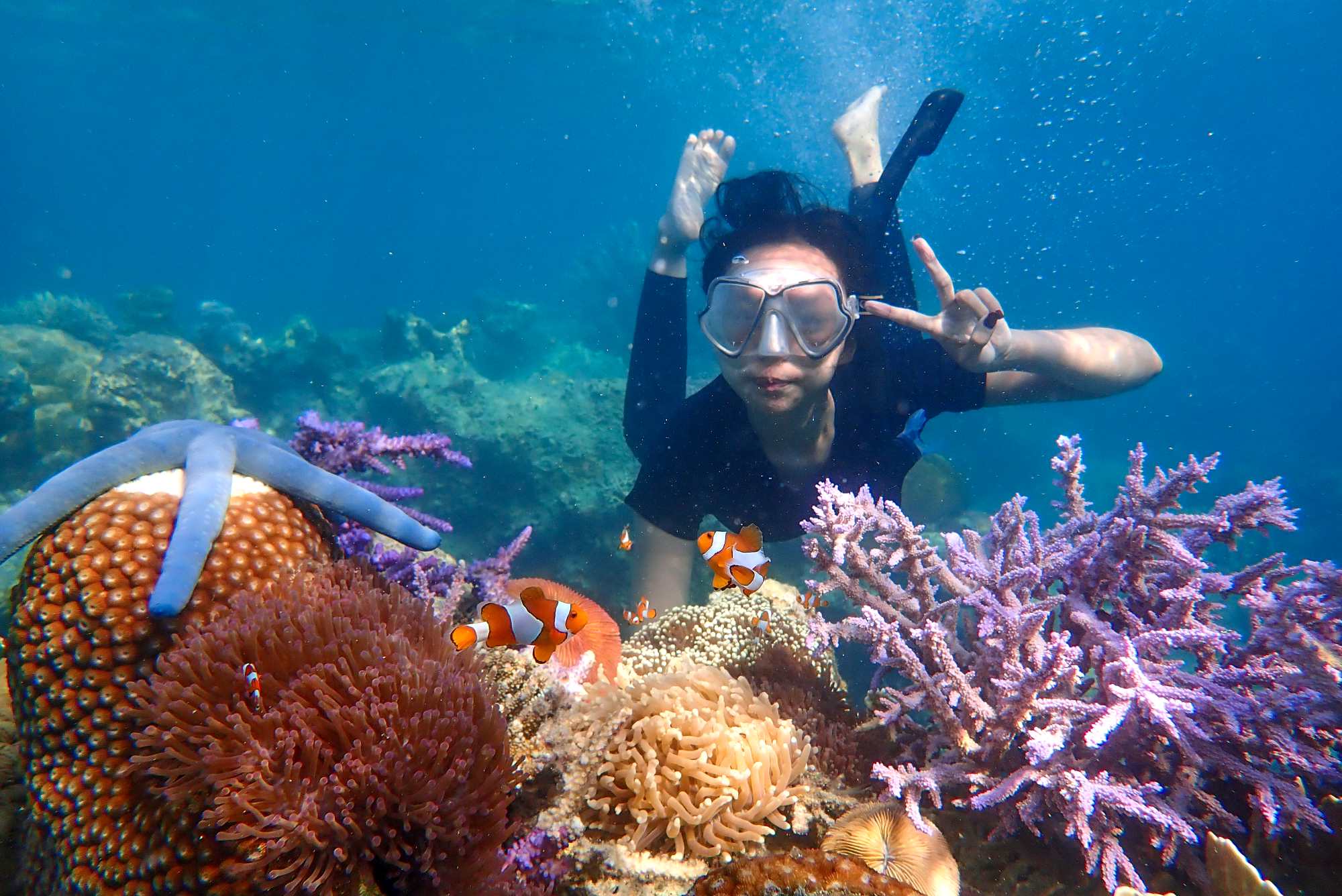
Sapi Island Reef
This area features extensive shallow coral gardens home to clownfish and butterflyfish. The sloping seabed provides easy access for snorkelers of all levels.
Swim toward the northern side for more intact coral formations.

Borneo's Malaysian coast shelters some of Southeast Asia's most biodiverse coral systems, from the protected shallows of Tunku Abdul Rahman Marine Park to the deep walls off Sipadan. This guide maps the logistics—park fees, boat schedules, and visibility patterns—that turn a marine park visit into a successful snorkel outing.
Quick answer
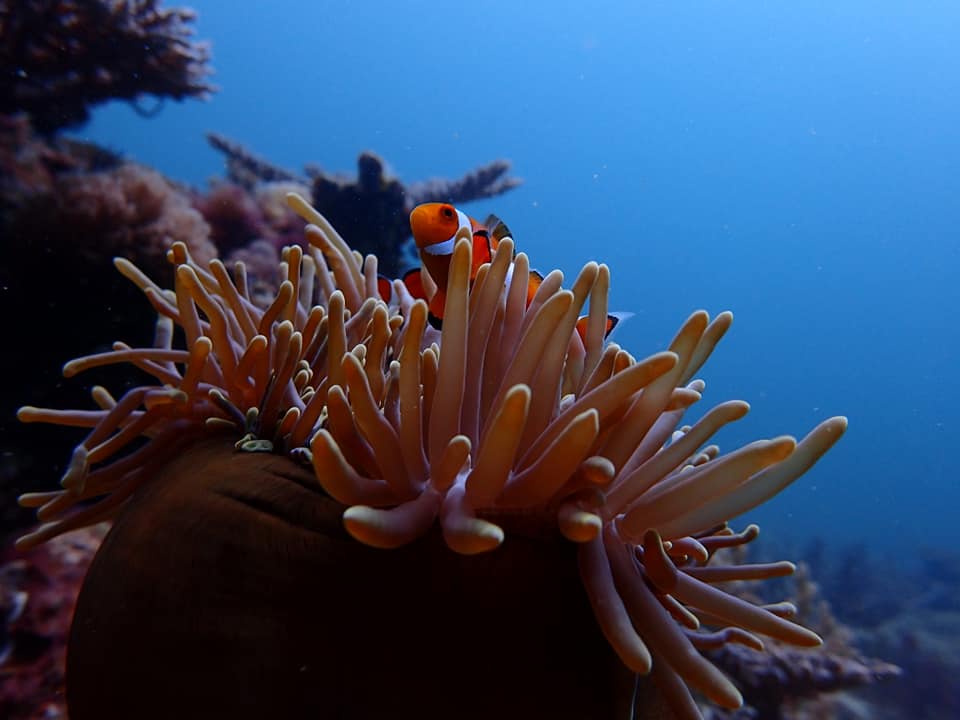
Snorkeling in Borneo Malaysia centers on Tunku Abdul Rahman Marine Park near Kota Kinabalu, open daily from 08:00 to 17:00 with a 25 MYR conservation fee for international adults. The five-island park offers shallow coral gardens accessible by short boat rides, while advanced snorkelers target Sipadan's drop-offs farther south. Arriving between 08:00 and 10:00 ensures calmer water and fewer tour groups, with visibility strongest before afternoon currents stir sediment.
Sabah's coastline holds 30 percent of Malaysia's coral species within a corridor stretching from the Tunku Abdul Rahman islands to the Celebes Sea, a concentration driven by nutrient upwellings and strict marine zoning since 1974. The result is a snorkeling landscape split between easy-access lagoons and permit-controlled sites where pelagic fish school in blue water. Tunku Abdul Rahman Marine Park functions as the entry point for most snorkelers visiting Borneo, its five islands—Gaya, Sapi, Manukan, Mamutik, and Sulug—arrayed four kilometers offshore from Kota Kinabalu. Coral gardens here occupy depths of two to eight meters, populated by parrotfish, butterflyfish, and occasional green turtles. The park enforces a conservation fee and restricts motorized craft in designated swim zones, which keeps prop damage minimal but concentrates snorkelers in popular bays during midday. Boat operators run continuous shuttles from Jesselton Point ferry terminal, with the first departures coinciding with the park's 08:00 opening. Beyond the marine park, snorkeling in Borneo Malaysia extends to permit-only destinations like Sipadan, a volcanic pinnacle 36 kilometers off Semporna where the reef wall descends 600 meters. Daily snorkeler permits number 120, allocated months ahead through licensed dive operators. Visibility at Sipadan averages 30 meters year-round, with strong currents that demand confidence in open water. Mabul and Kapalai islands nearby offer muck-diving conditions—sandy bottoms scattered with macro life—suited to patient observers rather than wide-angle swimmers. Timing a Borneo snorkel trip around monsoon windows improves conditions significantly. The southwest monsoon from May through September brings calmer seas to Sabah's west coast, while the northeast monsoon's December-to-February rains reduce visibility and trigger boat cancellations. Water temperature holds steady at 27–29°C, eliminating the need for thick exposure suits but increasing jellyfish presence during plankton blooms. Snorkelers sensitive to stings should pack a rash guard regardless of season.
“Sabah's coastline holds 30 percent of Malaysia's coral species within a corridor stretching from the Tunku Abdul Rahman islands to the Celebes Sea.”
The best time for snorkeling in Borneo is during the dry season from March to October, which offers the calmest waters and highest visibility. To maximize your experience, plan your visit during the best arrival window: 08:00–10:00.
Warm and dry, 27–32°C
Ideal visibility and calm seas for snorkelers.
Hot and dry, 28–33°C
Peak tourism period with reliable clear water.
Transitional, 27–31°C
Last opportunity for stable weather before the monsoon.
—
Arrive between 08:00 and 10:00 to avoid crowds and enjoy clearer water before peak afternoon boat traffic.
Verdict: The optimal time to snorkel is from March to October, specifically arriving between 08:00–10:00 on weekdays to ensure the best visibility and minimal congestion.
The waters surrounding the islands of Tunku Abdul Rahman Marine Park offer diverse habitats for coral reef species and sea turtles. Snorkelers can explore shallow, protected reefs that support a wide range of marine biodiversity.
This area features extensive shallow coral gardens home to clownfish and butterflyfish. The sloping seabed provides easy access for snorkelers of all levels.
Swim toward the northern side for more intact coral formations.
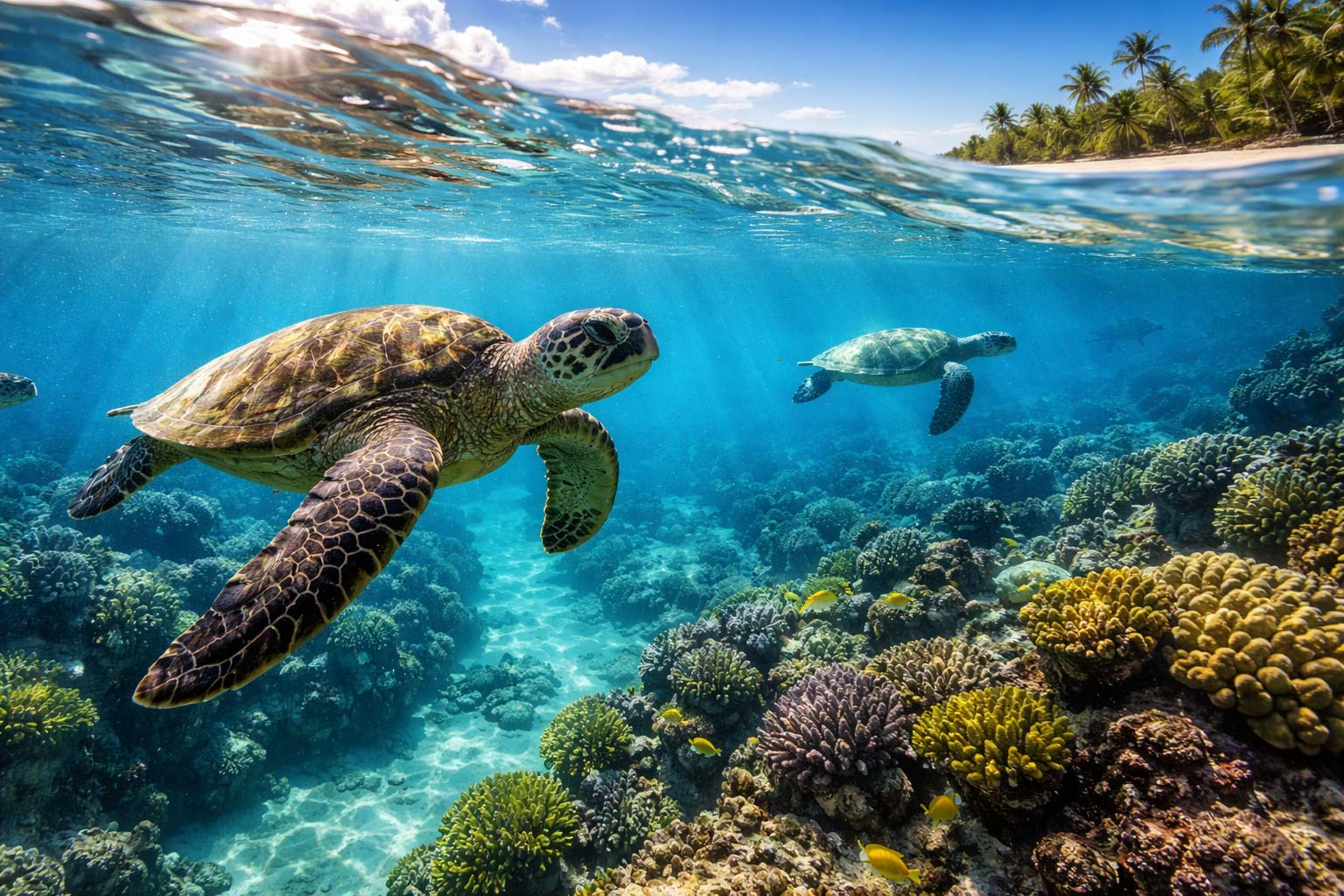
Located off the coast of Gaya Island, this reef is known for frequent sightings of green sea turtles. The water remains relatively calm, allowing for clear observation of sedentary marine life.
Look for turtles resting near the sandy patches at midday.
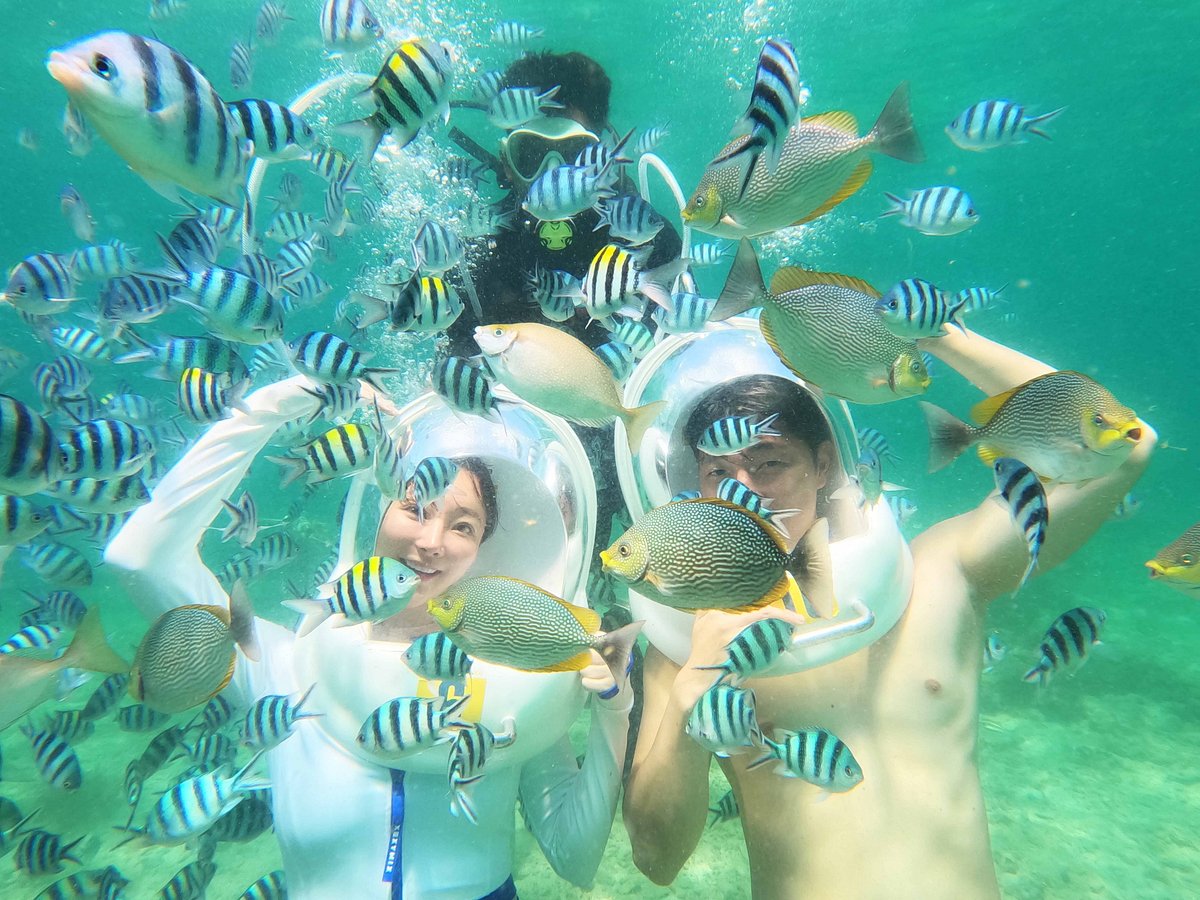
The fringing reefs around Mamutik Island showcase a variety of hard and soft corals. It is a productive site for spotting schools of fusiliers and damselfish.
Explore the eastern shoreline during low tide for better visibility.
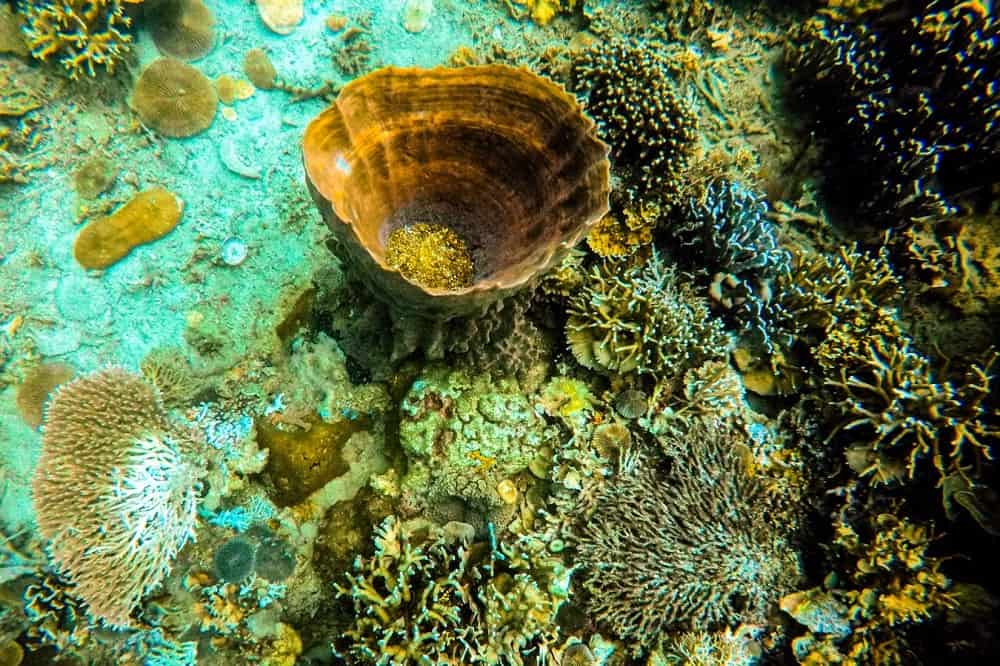
Manukan Island offers a long stretch of accessible reef with diverse marine structures. Snorkelers often encounter blue-spotted stingrays hidden under coral ledges.
Observe the reef edges where the water depth begins to drop.
Prepare these essentials before your marine park visit to ensure a safe and comfortable snorkeling experience.
Everything you need to know about snorkeling in borneo malaysia
When planning your visit, prioritize weather conditions and water visibility to ensure a safe experience. Engaging in snorkeling in borneo malaysia allows you to explore vibrant coral reefs and diverse tropical fish species in their natural habitat. Ensure you have appropriate safety gear before heading into the water.
Snorkeling in Malaysia Prices
Read more GuideSnorkeling in Penang, Malaysia
Read more GuideBest Snorkeling Spots in Malaysia
Read more GuideSnorkeling in Sabah, Malaysia
Read more Tickets & toursSnorkeling Tours in Malaysia
Read more GuideSnorkeling Near Singapore
Read more GuideSnorkeling in Langkawi, Malaysia
Read more Tickets & toursMalaysia Snorkeling Packages
Read more GuideBest Time for Snorkeling in Malaysia
Read more